


Description
Product Overview
The 2nd edition JavaScript eBook from Manning provides an in‑depth exploration of the language’s core concepts, modern syntax, and emerging patterns. Designed for the Kindle platform, the book leverages enhanced typesetting to deliver crisp, readable text that adapts to any screen size. With a file size of 16.7 MB, the title loads quickly and offers smooth page‑flip navigation, allowing readers to move through 375 pages without interruption.
Each chapter is organized around practical examples that illustrate how JavaScript powers web applications, server‑side services, and mobile interfaces. The content covers fundamentals such as variables, functions, and scope, then progresses to advanced topics like asynchronous programming, modules, and performance optimization. The 2nd edition updates legacy material, adds new sections on ES2022 features, and incorporates feedback from the community of over 27 reviewers.
Accessibility is a core focus; the eBook supports screen readers, includes enhanced typesetting, and offers adjustable font sizes. Readers who rely on assistive technology can enjoy the same rich experience as sighted users, thanks to built‑in compatibility with Kindle’s accessibility settings. The book also provides a searchable index, allowing developers to locate specific concepts in seconds.
Beyond the core curriculum, the eBook includes dedicated sections on debugging strategies, testing frameworks, and performance profiling tools that are essential for professional development workflows. Readers will find step‑by‑step guidance on setting up linting configurations, integrating unit tests with Jest, and measuring execution time using the browser’s performance API. These practical insights bridge the gap between theory and real‑world application, empowering developers to write efficient, maintainable code. The chapter also covers source‑map utilization for effective debugging of minified code, and introduces developers to modern profiling extensions such as Chrome DevTools and VS Code’s built‑in profiler. By mastering these techniques, readers can identify bottlenecks, reduce load times, and deliver smoother user experiences across browsers and devices. Combined with the book’s emphasis on clean architecture, these tools help developers maintain code quality throughout the software lifecycle. These practices are reinforced with checklist summaries at the end of each security section.
In addition to code‑centric material, the eBook dedicates a chapter to the evolving ecosystem of JavaScript libraries and frameworks. It surveys popular choices such as React, Vue, and Angular, comparing their philosophies, strengths, and typical use cases. Readers gain insight into when to adopt a component‑based library versus a full‑stack framework, and how to integrate these tools with modern build pipelines like Webpack and Vite. The discussion also touches on emerging trends like serverless functions and edge computing, preparing developers to make informed technology decisions. Each framework section includes concise code samples that demonstrate component creation, state management, and routing concepts, allowing readers to quickly prototype applications. The book also highlights best practices for performance optimization, such as lazy loading components and minimizing bundle size, ensuring that applications remain responsive even as they scale.
Security considerations are woven throughout the text, emphasizing safe coding practices and common vulnerabilities. The eBook dedicates sections to input validation, cross‑site scripting (XSS) defenses, and secure handling of JSON Web Tokens. Readers learn how to implement Content Security Policy headers and adopt principle of least privilege when accessing browser APIs. Real‑world case studies illustrate how breaches can be prevented by adhering to these guidelines, reinforcing the importance of security‑first development. The chapter also covers secure coding patterns for asynchronous operations, demonstrating how to avoid promise‑related pitfalls that could expose sensitive data. Additionally, the book provides guidance on using modern authentication standards like OAuth 2.0 and OpenID Connect, ensuring that developers can build robust, standards‑compliant login flows. By integrating these security measures early in the development cycle, teams reduce technical debt and protect user trust.
Performance optimization is a recurring theme, with dedicated discussions on minimizing render blocking resources and leveraging lazy loading techniques. The eBook explains how to profile JavaScript execution using Chrome DevTools, identify hot paths, and refactor code to improve time‑to‑interactive metrics. Readers also discover strategies for efficient memory management, such as avoiding unnecessary object allocations and employing weak references where appropriate. By applying these methods, developers can create applications that load faster, consume fewer resources, and deliver a smoother user experience across diverse hardware. The book also covers the impact of modern JavaScript features like async/await on the event loop, and provides guidelines for writing non‑blocking code that scales under heavy traffic. Examples demonstrate how to debounce input handlers, throttle API calls, and use requestAnimationFrame for smooth UI updates. These performance‑centric patterns empower developers to build responsive applications that meet the expectations of today’s fast‑paced web environment everywhere for all developers.
![[Product front view showing all components]](https://www.woodsstylish.store/wp-content/uploads/2026/06/b8bfba4dccea437f903afd5d0aadbd4a.jpg)
Usage
Whether you are studying in a coffee shop, commuting on a train, or reviewing code at a home office, the Kindle format ensures the material is always within reach. The lightweight file size means the book occupies minimal device storage, making it ideal for travelers who need to conserve space. The page‑flip feature mimics the tactile feel of turning pages, which helps maintain focus during long study sessions.
The eBook serves both beginners learning JavaScript for the first time and seasoned developers seeking to refresh their knowledge of the latest language specifications. In classroom settings, instructors can assign chapters as reading material, and students can annotate directly on the Kindle device. The format also supports offline reading, so learners can continue studying in environments without internet access.
Beyond casual reading, the eBook serves as a reference guide during live coding sessions. Developers can keep the Kindle device open alongside their development environment, quickly consulting syntax tables, API references, and best‑practice recommendations without switching tabs. The searchable index accelerates this workflow, allowing instant jumps to specific functions or language features. This on‑the‑fly access reduces context‑switching overhead and keeps the development momentum high. The eBook also includes a dedicated appendix that lists common command‑line tools for Node.js, such as npm scripts, ESLint configurations, and debugging utilities like node‑inspect. By having these references at hand, developers can streamline project setup, enforce coding standards, and troubleshoot issues efficiently. The appendix is organized alphabetically, making it easy to locate the desired tool or command without scrolling through lengthy documentation. Overall, this on‑device companion enhances productivity by providing immediate, context‑relevant guidance throughout the development lifecycle, making learning both efficient and enjoyable for developers.
Educators can leverage the eBook as a curriculum backbone for introductory programming courses. The structured chapters align with common syllabus milestones, allowing instructors to assign readings that correspond with lab exercises. The Kindle’s annotation feature lets students highlight key passages and add personal notes, which can be exported for review. This digital workflow supports collaborative learning, as instructors can collect annotated excerpts to assess comprehension and provide targeted feedback. Furthermore, the eBook includes optional project templates that students can download and modify, fostering hands‑on experience with real codebases. Instructors can assign these templates as starter projects, guiding learners through incremental feature additions that mirror industry practices. The built‑in search function enables quick retrieval of specific concepts, such as closures or event delegation, streamlining lesson planning and enabling dynamic classroom discussions. By integrating the eBook into the classroom, educators create a cohesive learning environment that bridges theory and practice seamlessly, effectively.
Why Choose Us
Manning is a respected publisher in the technology space, known for rigorous editorial standards and close collaboration with authors. This title benefits from Manning’s editorial expertise, ensuring that explanations are clear, examples are accurate, and terminology aligns with industry best practices. The 2nd edition reflects a commitment to continuous improvement, incorporating the most recent JavaScript standards and community insights.
Quality assurance extends beyond content. The eBook undergoes extensive testing on multiple Kindle devices to verify rendering consistency, accessibility compliance, and navigation reliability. Customers receive regular updates at no additional cost, guaranteeing that any future corrections or enhancements are delivered automatically. Additionally, Manning offers responsive author support, ready to address questions or provide clarification on complex topics.
Manning’s editorial team collaborates closely with authors to ensure technical accuracy and pedagogical clarity. Each manuscript undergoes multiple rounds of peer review, fact‑checking, and readability testing before publication. This rigorous process guarantees that the content reflects the latest industry standards and best practices, reducing the risk of outdated or misleading information. Authors also receive editorial guidance on structuring chapters for optimal knowledge retention, resulting in a learning experience that aligns with cognitive science principles. Manning also invests in continuous post‑release support, monitoring reader feedback and issuing errata or supplemental material when necessary. This commitment to ongoing improvement ensures that the eBook remains a reliable reference throughout its lifecycle. Customers benefit from a living document that evolves alongside the JavaScript ecosystem, providing confidence that their knowledge base stays current without the need to purchase new editions frequently. Such dedication reinforces trust and encourages long‑term loyalty among tech professionals worldwide everywhere.
Customer service is a cornerstone of Manning’s value proposition. Purchasers receive access to a dedicated support portal where they can submit technical queries, request clarification on ambiguous sections, or report typographical errors. Response times are typically within 24 hours, and the support team collaborates directly with the author to provide accurate resolutions. This proactive approach minimizes disruption to the learning process and demonstrates Manning’s commitment to user satisfaction. In addition, Manning offers a satisfaction guarantee, allowing customers to request a refund within a specified period if the product does not meet their expectations. This policy underscores the publisher’s confidence in the quality of its educational materials and provides peace of mind for buyers. The combination of robust editorial standards, responsive support, and flexible return options creates a compelling value proposition for anyone investing in professional development.
Key Features
Designed with the modern developer in mind, this eBook blends comprehensive instruction with practical tooling to accelerate mastery of JavaScript. Each chapter builds upon the previous, reinforcing concepts through progressive examples that mirror real‑world scenarios. The content is meticulously curated to balance depth and accessibility, ensuring that readers of varying skill levels can follow the material without feeling overwhelmed. Interactive elements such as code snippets, quizzes, and self‑assessment checkpoints encourage active engagement and knowledge retention. By integrating these pedagogical techniques, the book transforms passive reading into an immersive learning journey. The eBook also provides curated lists of recommended libraries, tooling configurations, and community resources, enabling readers to extend their learning beyond the book. Regular updates ensure that new language features and best practices are incorporated, keeping the material relevant as the JavaScript ecosystem evolves. This forward‑looking approach equips developers with the confidence to adopt emerging technologies responsibly and efficiently.
- Comprehensive coverage of JavaScript fundamentals and modern ES2022 features, helping readers build a solid foundation and stay current.
- Enhanced typesetting and adjustable fonts deliver a comfortable reading experience on any Kindle device or app.
- Full screen‑reader compatibility ensures accessibility for visually impaired users without sacrificing content quality.
- Page‑flip navigation and searchable index allow quick movement through 375 pages, boosting study efficiency.
- Dedicated author and publisher support provide ongoing assistance and updates after purchase.
FAQ
Is this eBook compatible with all Kindle models?
Yes, the file is formatted to work on every Kindle generation, including Kindle Paperwhite, Oasis, and the Kindle app for iOS and Android. The enhanced typesetting adapts to different screen resolutions, ensuring consistent readability.
Can I read the book on non‑Kindle devices?
The eBook can be opened in the Kindle app on Windows, macOS, iOS, and Android. While the core content remains the same, some Kindle‑specific features such as page‑flip animation are only available on supported devices.
Does the book include code examples that I can run?
Each chapter provides runnable JavaScript snippets that illustrate the concepts discussed. Readers can copy the code into their own development environment, experiment with modifications, and observe the results in real time.
What if I need help understanding a particular topic?
Manning’s author support team is available via email and the publisher’s online forums. You can ask specific questions, request clarification, or share feedback, and the author will respond with detailed explanations.
Will I receive future updates to the eBook automatically?
Yes, Manning provides free updates to the Kindle eBook whenever significant revisions or corrections are made. Updated versions are delivered directly to your Kindle library, and you can download the latest file at any time. This ensures that you always have access to the most current information without additional cost.




 Wild Rose Ridge Book 4 Kindle Edition Small Cottage Press
  HTML Programming Kindle eBook 182 Page JavaScript Guide
  ClydeBank Media QuickStart Guide to XHTML, CSS & HTML eBook
 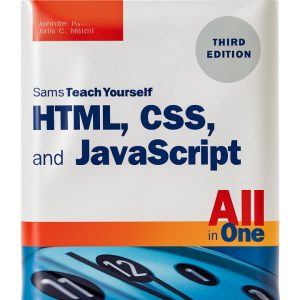 CSS Programming Book Sams Publishing Kindle 3rd Edition 800 Pages
  Kindle Fundamentals Series: Database Management Systems
  Data Mining Book Dey Street Books Kindle Reprint 357‑Page
  Data Mining with Python by No Starch Press Kindle eBook 287 Pages
  SQL Database Management for Kindle: 1st Edition, English, Unlimited
  HTML Programming eBook by A Smarter Way to Learn Book 2 of 3 262 Pages
 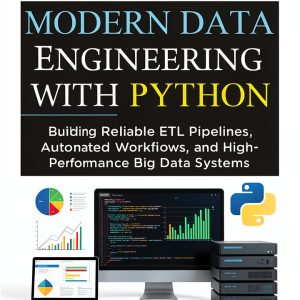 CodeCraft Data Warehousing Guide Kindle Edition by XYZ Publisher
  Data Mining for Python: A Comprehensive Guide for Kindle
  CSS Programming Book 6th Edition by O'Reilly Media 1934 Page Kindle
  HTML Programming eBook by Coding Made Easy Beginner Guide with
  Data Mining eBook CODECRAFT Starter Series 319‑Page Kindle
  Business Aspects for Computer Databases by Houndstooth Press
  GTech Publishing Database Management System for Kindle
  HTML Programming Packt Publishing Kindle eBook 4th Edition 498 Pages
  HTML and JavaScript Guide by Manning Kindle eBook for Developers
  Mastering Database Management with CompreQuest Books
  Database Design Essentials Kindle Edition by Amazon – 73‑Page
  Westward Home and Hearts Mail-Order Brides: Book 61
  The Hangman's Ledger Series: Book 2 by Louis L'Amour
  HTML CSS JavaScript Programming eBook by Power Up Coding Skills
  Data Warehousing with O'Reilly Media Kindle Edition
  Apress 2nd Edition Probability & Statistics Kindle Book
  O'Reilly Media Kindle E-book - HTML Programming, Computer Performance
  JavaScript eBook, Manning, Kindle, Enhanced Typesetting
Reviews
There are no reviews yet.