
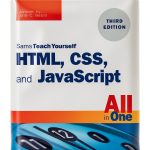

Description
Product Overview
The Manning HTML Programming Kindle eBook is a comprehensive guide designed for both aspiring and experienced web developers who want to master the fundamentals and advanced techniques of HTML, CSS, and modern web standards. Spanning 963 pages, the book combines clear, step‑by‑step examples with practical projects that illustrate how to build responsive layouts, integrate multimedia, and ensure accessibility across browsers and devices. Enhanced typesetting provides crisp, readable text on any Kindle screen, while built‑in page‑flip navigation lets readers jump between sections instantly, mimicking the experience of a physical textbook. The eBook also supports screen‑reader technology, making it an inclusive resource for developers who rely on assistive tools. With a file size of 33.2 MB, the content loads quickly and can be accessed offline, allowing you to study wherever you have your Kindle or compatible reading app.
Authored by seasoned web engineers with decades of industry experience, the guide delves into the evolution of HTML from its early markup roots to the sophisticated, component‑driven architectures used today. Each chapter begins with a concise overview of objectives, followed by hands‑on code snippets that can be copied directly into a development environment. The book also includes sidebars that highlight common pitfalls, performance considerations, and accessibility best practices, allowing readers to avoid costly mistakes early in their projects. In addition to core markup, the text explores integration with CSS preprocessors, JavaScript frameworks, and server‑side rendering techniques, providing a holistic view of full‑stack web development. The comprehensive index and cross‑referencing system enable quick navigation between related topics, making the eBook a valuable reference long after the initial read.
Beyond the core curriculum, the eBook offers a series of capstone projects that guide readers through building a complete, responsive website from scratch. These projects incorporate real‑world requirements such as form validation, SEO‑friendly markup, and progressive enhancement strategies, ensuring that the skills acquired translate directly into professional deliverables. Each project is accompanied by a downloadable starter kit, complete with HTML, CSS, and JavaScript files, as well as a checklist that outlines the learning objectives and assessment criteria. By completing the projects, readers gain confidence in their ability to tackle client‑driven assignments and contribute effectively to development teams.
The text delves deeply into HTML5 APIs, offering practical guidance on using the Canvas element for dynamic graphics, the Drag‑and‑Drop interface for interactive applications, and the Geolocation API for location‑aware services. Each API chapter begins with a concise explanation of the underlying specification, followed by code samples that demonstrate common use cases and best‑practice error handling. Performance considerations are woven throughout, with tips on minimizing reflows, leveraging lazy loading, and optimizing asset delivery to improve page speed scores. Accessibility is treated as a first‑class concern; the book explains how to use ARIA roles, semantic landmarks, and proper heading structures to create inclusive experiences for users of assistive technologies. In addition to static markup, the guide explores how modern JavaScript frameworks such as React and Vue can be integrated with semantic HTML to produce maintainable component hierarchies. The author also addresses emerging trends like WebAssembly modules and server‑less architectures, showing how HTML can serve as the entry point for sophisticated cloud‑based applications. Throughout the manuscript, real‑world case studies illustrate how leading companies have adopted these techniques to streamline development pipelines and enhance user engagement. The comprehensive bibliography and curated list of online resources provide pathways for continued learning beyond the eBook’s pages. By combining theoretical depth with actionable examples, the publication equips readers with the confidence to implement cutting‑edge web solutions in professional environments.
![[Product front view showing all components]](https://www.woodsstylish.store/wp-content/uploads/2026/06/2344ea024a8a45339c4f15cdfc43466f.jpg)
Usage
Whether you are learning HTML for the first time, preparing for a certification exam, or seeking reference material for a complex project, this eBook fits seamlessly into your workflow. The modular chapter structure lets you focus on specific topics such as semantic markup, form handling, or CSS grid systems without having to read the entire volume in one sitting. Professionals can use the book as a quick refresher before client meetings, while students can incorporate the examples into classroom assignments or personal side projects. Because the Kindle format syncs across devices, you can start reading on a tablet during a commute, continue on a laptop at the office, and finish on a smartphone before bedtime, all while retaining your highlights and notes.
The eBook’s modular design also supports blended learning environments, allowing instructors to assign individual chapters as homework while using live coding sessions to reinforce concepts in the classroom. Corporate training programs can integrate the material into onboarding curricula, giving new hires a solid foundation in web standards before they begin contributing to production codebases. Because the Kindle format preserves annotations, learners can share highlighted sections and notes with teammates, fostering collaborative learning and knowledge transfer across distributed teams.
Educators and team leads can leverage the eBook as a core component of hands‑on workshops, assigning specific chapters as pre‑reading material and then guiding participants through live coding exercises that reinforce the concepts. During hackathons, the concise reference format allows developers to quickly locate syntax rules, attribute requirements, and compatibility notes, accelerating prototype development and reducing debugging time. The Kindle’s built‑in sharing features enable mentors to distribute annotated excerpts to multiple attendees, ensuring a consistent knowledge base across the group. For remote learning scenarios, the eBook’s offline capability means that trainees in low‑bandwidth regions can still access the full curriculum without interruption, while the synchronized notes feature keeps instructors informed of individual progress. Companies adopting the book for internal training benefit from the ability to track collective annotation statistics, identifying which sections generate the most discussion and may require supplemental instruction. The flexible licensing model also permits bulk purchases for corporate libraries, granting all employees immediate access through their existing Kindle accounts. By integrating the eBook into structured learning pathways, organizations can standardize best practices, accelerate onboarding, and foster a culture of continuous improvement among their development teams.
For candidates preparing for industry certifications such as the W3C HTML5 Developer exam, the eBook serves as a concise study guide, summarizing key concepts, providing practice questions, and highlighting exam‑focused topics. The searchable index allows quick reference to specific sections, enabling efficient revision sessions and boosting confidence before the test.
Why Choose Us
Manning’s reputation for publishing authoritative technical content ensures that every chapter has been reviewed by industry experts and updated to reflect the latest HTML5 specifications. The eBook’s accessibility features, including screen‑reader compatibility and adjustable font sizes, demonstrate a commitment to inclusive learning. In addition, Manning provides ongoing author support through online forums and periodic content updates, so readers receive new examples and corrections without purchasing a new edition. The combination of exhaustive coverage, high‑quality typesetting, and responsive customer service makes this Kindle eBook a reliable investment for anyone serious about web development.
Manning’s editorial process includes rigorous peer review, technical editing, and continuous content validation to ensure that every code example complies with current web standards and passes validation tools such as the W3C Markup Validator. The publisher also collaborates with the author to incorporate feedback from early readers, resulting in a refined manuscript that addresses real‑world challenges faced by developers across industries. This commitment to accuracy and relevance means that readers can trust the guidance presented, reducing the learning curve and minimizing the risk of implementing outdated practices.
Beyond the printed content, Manning provides a suite of supplemental resources, including video tutorials, interactive code labs, and a private Slack channel where readers can discuss topics directly with the author and peers. These resources are regularly updated to reflect emerging trends such as CSS custom properties, Web Components, and progressive web app (PWA) development, ensuring that the eBook remains a living document rather than a static snapshot. The combination of a robust knowledge base, responsive support, and a vibrant community positions this Kindle eBook as a long‑term asset for professional growth.
Manning stands behind the quality of its publications with a 30‑day satisfaction guarantee, allowing customers to request a refund if the eBook does not meet their expectations. This policy reflects the publisher’s confidence in the thoroughness of the content and the value it delivers to readers seeking to advance their web development skills. In addition to the guarantee, the company provides a dedicated customer support channel that responds to inquiries within 24 hours, offering assistance with technical issues, account access, and clarification of any ambiguous sections. The support team also curates a knowledge base of frequently asked questions, troubleshooting tips, and best‑practice recommendations that complement the material in the eBook. For institutions and libraries, Manning offers volume licensing agreements that include perpetual access rights, ensuring that the resource remains available for future cohorts without additional fees. The publisher’s commitment to ongoing improvement is evident in its regular revision schedule, where updates are released to address emerging standards, security considerations, and feedback from the user community. By combining a robust guarantee, responsive support, and a forward‑looking update strategy, Manning ensures that purchasers receive a reliable, future‑proof investment in their professional development.
Key Features
- Over 900 pages of real‑world examples that teach HTML, CSS, and modern web practices.
- Enhanced typesetting and adjustable fonts for comfortable reading on any Kindle device.
- Full screen‑reader support and accessibility‑focused guidelines for inclusive design.
- Page‑flip navigation and searchable index to locate topics instantly.
- Dedicated author and publisher support with free updates and community forums.
FAQ
Is this eBook compatible with all Kindle models?
Yes, the file is formatted for Kindle devices and the Kindle app on iOS, Android, and desktop platforms, ensuring a consistent reading experience across all supported devices.
Can I print sections of the book for offline reference?
The Kindle eBook includes a print‑friendly PDF companion that allows you to print selected chapters or code snippets while respecting copyright guidelines.
Does the book cover the latest HTML5 and CSS3 standards?
All chapters are written to reflect the current HTML5 specification and modern CSS3 features, including flexbox, grid, and custom properties, so you stay up‑to‑date with industry best practices.
What kind of support is available if I have questions?
Manning offers a dedicated support portal where you can submit questions to the author, access additional resources, and join a community of fellow developers for peer assistance.
Is there a way to get updates if the book is revised?
Registered Kindle owners receive automatic updates through the Amazon store, and Manning notifies readers via email when new editions or supplemental material become available.
Customer Testimonials
Read what professionals say about the impact of this guide on their development workflow.
After completing the capstone projects, I felt confident delivering a full‑stack web application to a corporate client. The eBook’s detailed explanations of HTML5 APIs and accessibility guidelines helped me meet strict compliance requirements without extra research.
Our development team adopted the eBook as part of our onboarding curriculum. New hires appreciated the searchable Kindle format and the ability to annotate directly on the device, which streamlined knowledge sharing and reduced training time.
The ongoing updates and author support have been invaluable. When a new browser feature was released, Manning promptly added an addendum, ensuring the content stayed current and relevant for my daily work.
Explore the full potential of modern web development with this essential resource.





 Python Series – Learn. Build. Master. (Book 7 of 11)
  Frontier Romance Kindle eBook by Twisted Key Publishing
  Westward Home and Hearts Mail-Order Brides: Book 61
  Crest Stone Mail-Order Brides: Book 6 of 10
  The Flat River Matchmaker: A Christian Western Short Story by Small
  Christian Western Short Story: A Timeless Tale of Faith and Redemption
  Western Short Stories Kindle Edition Classic Collection by Author Name
  Crest Stone Mail-Order Brides Book 1 Historical Romance Kindle Edition
  Holiday Hearts Book 2 Christian Romance Novel by Heartland Press
  Database Design Essentials Kindle Edition by Amazon – 73‑Page
  HTML Programming Kindle eBook 182 Page JavaScript Guide
  Programming & Computer Science Series: A 90-Minute Read
  ClydeBank Media QuickStart Guide to XHTML, CSS & HTML eBook
  Kindle Fundamentals Series: Database Management Systems
Reviews
There are no reviews yet.